Silly Goose Seamless Pattern Reviewed for Embroidery
I have worked with hundreds of pattern-based embroidery designs over the years, and I can usually tell within the first thirty seconds whether a file is going to earn its place in my regular rotation or sit forgotten in a folder somewhere. When I unzipped the Silly Goose Seamless Pattern Cute Girly set and pulled up the high-resolution PNG on my screen, I immediately started mentally placing it on products I already sell. That gut reaction is rare, and it is exactly what a designer needs when evaluating a digital embroidery file for real-world craft business use.
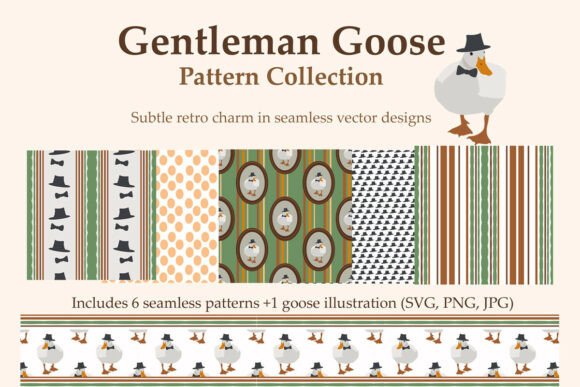
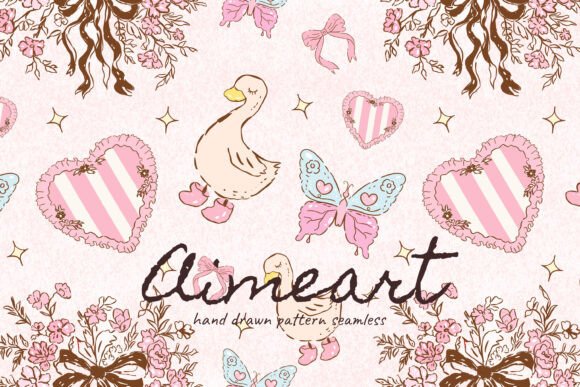
What makes this particular pattern interesting is how it balances a playful, hand-drawn personality with a repeat structure clean enough to translate into stitch without becoming a tangled mess of thread. The geese are rendered in a loose, sketchbook style that reads as charming rather than juvenile. The expressions feel gentle and a little whimsical, the kind of artwork that makes a customer pause at a market booth and smile before they even check the price. For small shop owners who build their brand around approachable, feel-good graphics, the tone here hits a sweet spot between cute and sophisticated.
My first thought was a custom tote bag project I am preparing for a spring boutique pop-up. I have a natural canvas tote with a slightly textured surface that I typically avoid for ultra-fine detail work, but the organic line quality of the geese motif actually benefits from a bit of fabric character underneath. On smooth cotton, the same design would stitch crisply and read more polished. On linen or a cotton-linen blend, it would take on a soft, vintage storybook feel. That versatility alone makes the Silly Goose Seamless Pattern Cute Girly worth testing across multiple product categories.
What the Pattern Personality Brings to an Embroidery Project
The first thing a working embroiderer notices about any pattern-based design is density rhythm. A seamless repeat like this one can be scaled up for larger hoop areas or tiled tightly for small accent pieces, but the visual weight needs to stay balanced. The geese are distributed with enough breathing room that the eye moves across the pattern naturally, and the negative space prevents the kind of heavy stitching that can warp lighter fabrics. If you have ever ruined a perfectly good tea towel with an overwrought fill stitch, you will appreciate how intentionally the spacing works here.
Thread color selection will shift the mood significantly. In warm ochre, soft taupe, and cream, the pattern leans into an heirloom, storybook aesthetic that would suit nursery decor, baby blankets, or a keepsake pillow cover. In brighter tones, think coral, mint, or butter yellow, it takes on a cheerful, modern feel that works beautifully for a sweatshirt front, a zipper pouch, or an embroidered patch set. Because the original artwork is hand drawn, small variations in stitch angle or fill direction actually enhance the handcrafted feel rather than looking like a machine error. That is a practical advantage for makers who want their finished product to feel warm and personal, not stiff and factory-produced.
How the Design Holds Up on Actual Fabric
I always test a new pattern file on at least two very different fabric types before I list it in my shop or stitch it onto client pieces. For the Silly Goose Seamless Pattern Cute Girly, I ran a section on mid-weight cotton twill and another on a soft French terry sweatshirt blank. The twill held the stitch definition beautifully. The terry introduced a slight softening around the edges of the geese shapes, but that gentle blur actually worked in the design's favor, making the geese look almost watercolored. If crisp precision is your priority, use a sturdy stabilizer and medium-weight woven fabric. If you want a cozy, lived-in look, let the fabric texture contribute to the aesthetic on knits and fleece.
Small hoop users should pay attention to the repeat scale. Because this is a seamless pattern, you can isolate a single goose motif or a small cluster and still maintain a complete visual statement. That means a four-inch hoop can absolutely handle a pocket-sized embroidery on a baby romper or a cap front without losing the integrity of the artwork. On the other end, a larger hoop, say six by ten or eight by eight inches, gives the full repeat room to shine across a tote panel or the back of a denim jacket. The scalability is one of the strongest practical features here, and it widens the product possibilities considerably.
Where I Would Use the Silly Goose Seamless Pattern Cute Girly
After testing and comparing stitch-outs, a few product categories immediately made sense. Tote bags are the obvious starting point. A centered or all-over placement on natural canvas creates the kind of bag that customers pick up, hold at arm's length, and then immediately carry to the checkout. The design reads clearly from a distance and rewards closer inspection with charming details, exactly the kind of dual-level appeal that moves product at craft fairs.
For baby and children's items, the pattern lands perfectly. I can see a single goose motif stitched onto a baby onesie in soft sage or dusty pink thread, or the full repeat used as a decorative band across a crib sheet or muslin swaddle. Nursery decor buyers respond strongly to animal motifs that feel whimsical without being overly cartoonish, and the sketchbook quality here gives it a subtle artistic edge that parents appreciate.
On apparel, I am planning a crewneck sweatshirt series for my next Etsy restock. A chest-level, slightly oversized placement of three geese from the repeat would make a strong focal point. I would pair it with a simple running stitch border to frame the cluster, keeping the overall design understated enough for everyday wear. For seasonal holiday gifts, the pattern would work beautifully on linen kitchen towels or as a decorative trim on a fabric gift bag. The neutral, cheerful subject matter is not tied to a specific holiday, which means I can sell it year-round without the design feeling out of place.
Practical Considerations Before You Stitch
As with any digital embroidery file, there are a few technical realities to address before committing the design to a final piece. The product comes as a zip containing PNG, SVG, JPG, and EPS files at 300 dpi. That file format list tells me the artwork was prepared with versatility in mind, suitable for digitizing into a machine embroidery design or for use in printable mockups and branding assets. What it does not tell me is the exact stitch count, recommended hoop range, or machine file types. Every embroiderer needs to digitize or have the artwork digitized for their specific machine, thread palette, and fabric setup. Do not skip that step, and always test on scrap fabric before stitching onto a finished garment or product.
Thread color contrast is something I think about constantly, especially with line-based artwork. If you plan to stitch the geese in a single color, make sure there is enough contrast against your background fabric. A pale cream goose on natural linen can disappear from more than two feet away. I usually test the design in a grayscale mockup first to check whether the shapes hold their own without relying on color to carry the visual weight. The Silly Goose Seamless Pattern Cute Girly passes that test well. The line weights vary, and the geese profiles are distinct enough to read even in monochrome, which means dark fabric with light thread and light fabric with dark thread are both viable options.
Fabric texture matters more than many makers realize. High-pile fabrics like fleece or Minky will swallow fine lines. Low-pile velvets and smooth quilting cottons will show every stitch. For this pattern, I recommend a medium-weight woven substrate with a tight weave for the cleanest result. If you must stitch on a stretchy or loosely knitted fabric, use a cut-away stabilizer and consider slightly increasing the design scale to prevent small details from being lost in the fabric give.
Customer Perception and Brand Impact
One of the quiet benefits of using a pattern like Silly Goose Seamless Pattern Cute Girly is how it shapes customer perception of your brand. Designs that feel personal, slightly quirky, and clearly hand-originated build trust faster than generic, over-polished stock graphics. When a buyer sees this pattern stitched onto a tote or a sweatshirt, they are more likely to assume the product was made with care, because the artwork itself communicates intention. That assumption translates directly into higher perceived value, better reviews, and repeat purchases.
From an Etsy seller or handmade shop perspective, the design also gives you strong visual continuity across product types. You can offer the goose motif as an embroidered patch, a sweatshirt accent, a baby gift item, and a kitchen towel detail, all tied together by the same recognizable artwork. That kind of cohesive mini-collection approach helps with branding, product photography, and social media presentation. When a customer likes one goose item, they are predisposed to notice the others in your shop.
What to Watch Out For
Every design has limitations, and it is worth naming them directly. The hand-drawn line quality that makes this pattern so appealing in its original form also means that very tiny reproductions, say under two inches wide, may start to lose the charm of the sketchbook lines and read as cluttered or indistinct. I would keep the motif at a minimum of three inches for the main goose figures to preserve the detail. If you need a smaller accent, consider isolating just a wing detail or a single goose silhouette rather than shrinking the full pattern.
On heavily textured or very dark fabrics, the lighter interior lines of the geese may need slightly thicker stitch paths to remain visible. This is something to adjust during the digitizing phase, and a small test stitch on the actual fabric you plan to use will tell you everything you need to know. Also, if you are stitching on a curved surface like a baseball cap, be mindful of how the repeat distorts. A seamless pattern can look slightly warped on a strongly curved area, so I usually select a cluster of geese for cap embroidery rather than trying to fit the full repeat across the cap panel.
Licensing clarity is essential for any commercial project. The product listing states you are purchasing a digital file only, so you need to confirm what usage rights are included before selling finished items, digitized embroidery versions, or any products featuring the artwork. If you intend to sell physical products with this design, verify that commercial use is permitted. If you plan to sell the digitized embroidery file itself, double-check that such derivative digital products are allowed under the license terms. Do not assume, ask and confirm.
Final Thoughts for Makers and Sellers
After working through the tests, the mockups, and a few sample stitch-outs, I consider the Silly Goose Seamless Pattern Cute Girly a strong, versatile asset for embroidery designers, handmade product sellers, and small business owners who want artwork that stands out without trying too hard. The hand-drawn character gives it warmth and personality. The seamless repeat structure gives it creative flexibility. The neutral subject matter gives it shelf life across seasons, trends, and product types.
For a crafter preparing custom apparel, a baby gift, a market tote, or a boutique home decor piece, this pattern offers a rare combination of charm and practical usability. It is the kind of design that makes a stitched product feel intentional and considered, exactly what customers notice and remember. Test it on your fabric of choice, find the thread palette that matches your brand, and let the geese do the talking.