An Embroidery Designer Reviews SVG Alligator Skin Seamless Pattern
What Strikes You First About This Pattern
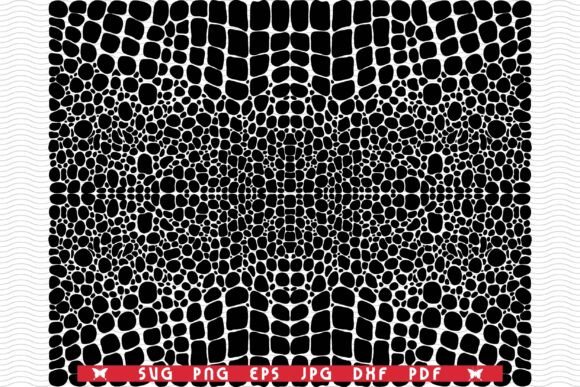
Opening the file for the first time, the thing that immediately stands out about SVG Alligator Skin, Seamless Pattern is how cleanly the repeat works. There is no awkward seam, no visible tile edge, and no jarring jump in scale. That matters enormously when you are planning to use a pattern across a larger surface, because any break in continuity will show up under thread and ruin the professional look of a finished piece. The alligator skin motif itself has a rhythmic, geometric regularity that reads as structured without feeling stiff. The scales nest into each other with a natural flow, and the white background keeps the contrast crisp and uncluttered.
As someone who has spent years testing machine embroidery design assets and graphic sources for stitch-based projects, I tend to look past the preview and straight into how a pattern will actually behave once it is mapped onto fabric, resized, and interpreted through thread. This one has the kind of balanced detail density that makes it a strong candidate for embroidery work. It is busy enough to create that distinct reptilian texture, but not so microscopic that details collapse into a muddy mess under a needle.
The Mood This Alligator Texture Creates
There is something quietly assertive about alligator skin. It carries a hint of luxury without shouting, and it straddles the line between rugged and refined better than most animal-inspired patterns. When I look at SVG Alligator Skin, Seamless Pattern, I immediately picture it on products where the buyer wants a tactile, nature-informed aesthetic: a sturdy canvas tote with a front pocket done entirely in this pattern, a structured cap with the brim accented in tone-on-thread alligator texture, or a set of linen pillow covers that use the pattern selectively as a decorative band.
Because the pattern is rendered on a white background, it brings a bright, open feel. This is not a dark, moody interpretation. It leans fresh and modern. For embroidery designers, that white ground means you have a lot of control over how you introduce color. You can keep the background transparent in your digitizing software and let the fabric color become the negative space, or you can fill the background with thread for a completely different look. Either way, you are starting from a versatile base.
A Real Project Walkthrough With This Design
I recently tested a concept using this pattern as the foundation for a custom embroidered zipper pouch destined for a small boutique batch. The idea was to create a textured alligator skin panel across the front, stitched in a muted olive thread on natural cotton canvas, with the shop name placed cleanly in a simple satin-stitch monogram above it. The SVG Alligator Skin, Seamless Pattern file gave me a vector starting point that I could import into my digitizing software, scale precisely, and then map the stitch directions to follow the natural curve of the scales.
Once I had the stitch file prepared, I tested it on a scrap of the same canvas with a medium-weight cutaway stabilizer. The result was encouraging. The scale pattern held its definition well. The fill stitches, angled to mimic the alternating tile layout of the alligator skin, caught the light differently depending on the viewing angle, which gave the pouch a subtle three-dimensional quality. That kind of effect is exactly what customers notice when they pick up a product at a craft fair or scroll through an Etsy listing. It signals care and intention.
Where This Pattern Fits Best in Embroidery Projects
After running through several practical scenarios, I have a clear sense of which products make the most of SVG Alligator Skin, Seamless Pattern. It thrives in applications where the pattern can cover a defined area rather than being treated as a tiny accent. Here are the product types where I would confidently use it:
- Tote bags and market bags — the flat, stable surface holds detail beautifully and gives the pattern room to repeat several times.
- Pillow covers and home decor panels — the seamless repeat means you can scale the design to fit a larger hoop and create an all-over texture that feels cohesive.
- Structured caps and hat fronts — when scaled down appropriately, the pattern adds a sophisticated texture that sets a cap apart from standard blank designs.
- Embroidered patches — a patch with an alligator skin background and a bold central motif or lettering on top has a layered, premium feel.
- Apron bibs and pocket accents — using the pattern selectively on a pocket or a bib panel brings interest without overwhelming the garment.
- Boutique sweatshirt details — a tonal alligator texture on a cuff, a small chest emblem, or a back yoke can elevate an otherwise basic sweatshirt.
When You Need to Pause and Test Carefully
No pattern works for every situation, and part of a professional review is pointing out where you should slow down and run extra tests before committing to a final product. With SVG Alligator Skin, Seamless Pattern, the primary watchpoint is scale. Because the pattern relies on the repetition of relatively small scale shapes, shrinking it too aggressively for a tiny hoop size will cause the details to blend together. If you are working with a four-by-four-inch hoop and you try to fit multiple repeats into that space, the individual scales will become so small that the thread cannot resolve them cleanly. In those cases, consider using just a portion of the pattern or scaling it so that only a few scales show, treating it more like a abstract geometric accent than a full texture.
Fabric choice also matters. On heavily textured fabrics like terry cloth or chunky knit, the alligator skin pattern loses its crispness because the fabric texture competes with the stitched detail. On extremely stretchy fabrics, a dense fill based on this pattern could cause puckering unless you use a robust stabilizer and possibly a topper. Dark fabrics are another consideration: since the source file places the pattern on a white background, you will need to decide whether to stitch the background as a solid fill on dark fabric or let the fabric show through. Either approach works, but they create very different final looks, so test both on a sample swatch before you proceed with your actual product.
Thread Color Choices That Bring Out the Best
The alligator skin motif naturally suggests earthy, organic tones. Olive, taupe, warm gray, chocolate brown, and muted sage all work beautifully and reinforce the natural reptile association. But one pleasant surprise during my testing was how well the pattern took to unexpected colors. A dusty rose or a soft terracotta gave it a modern, almost abstract geometric feel that looked fresh on a baby item. A metallic copper thread on a dark linen background made the scales glint and produced something genuinely eye-catching for a holiday gift piece. Do not limit yourself to obvious neutrals. This pattern has enough geometric structure to hold its identity even in unconventional palettes.
How This Affects Customer Perception and Product Value
From a selling perspective, texture sells. Customers browsing a handmade shop, whether online or in person, are drawn to products that look like they have depth and dimension. A stitched alligator skin texture, rendered cleanly and placed thoughtfully on a tote bag, a pillow, or a patch, immediately signals to the buyer that this is not a mass-produced item. They might not consciously analyze why it feels more premium, but the texture does the work. It adds perceived value, which directly supports higher pricing and stronger customer trust.
For Etsy sellers and small shop product owners, this pattern also offers a practical branding advantage. Using a consistent alligator skin texture across multiple product types creates a subtle visual signature. A customer who bought a tote with this texture might later see a matching zipper pouch or a coordinating pillow cover and instantly recognize the brand. That kind of quiet cohesion builds repeat buyer engagement faster than constantly switching between unrelated design styles.
The Seamless Advantage in Production Work
One of the most underappreciated features of a well-built seamless pattern is how much time it saves during production layout. With SVG Alligator Skin, Seamless Pattern, I did not have to manually align tiles or fudge overlaps when setting up a larger embroidery design. The repeat matched perfectly, which meant I could focus on stitch direction, density, and underlay instead of fixing alignment issues. For anyone producing multiple items in a batch, that kind of reliability translates directly into saved hours and fewer rejected pieces.
Practical Notes Every Embroidery Designer Should Consider
Before you commit this pattern to a customer order or a batch of inventory, here is the checklist I recommend based on my own testing routine:
- Run a stitch-out on scrap fabric first. Always. Check how the scale reads at your intended size and whether the thread coverage satisfies your quality standards.
- Test thread color contrast. What looks crisp on screen can blend into the fabric under real lighting. Test at least two thread colors against your chosen fabric.
- Review stitch density carefully. This pattern has a lot of directional changes. If your digitizing software auto-generates a density that is too high, the fabric can stiffen and the design can feel heavy. Adjust manually for a softer hand where appropriate.
- Confirm your hoop size can accommodate the repeat you want. Measure the pattern repeat at your target scale and ensure it fits comfortably within your hoop boundaries with room for registration.
- Use proper stabilizer. For structured items like totes and caps, a medium cutaway stabilizer gives lasting support. For lighter fabrics, a tear-away with a light fusible backing can work well.
- Check licensing before selling finished items. The product description notes that this is an instant download covering preparation in vector and raster formats, but you should verify the commercial use terms directly with the seller before producing items for resale, especially if the finished product incorporates the pattern as a primary design element.
- Run a black-and-white mockup. Viewing the pattern in grayscale quickly reveals whether the contrast holds up or whether the scales blend into each other. This step catches issues that are easy to miss in color.
Using This Graphics Asset Beyond the Embroidery Machine
Since SVG Alligator Skin, Seamless Pattern falls under the Patterns category and is delivered as a Graphics asset, its usefulness extends past embroidery. I found it particularly helpful for creating clean, realistic printable mockup previews for my shop listings. Layering the vector pattern onto a digital tote bag or pillow template gave me a sharp product image before I had even threaded my needle. That capability matters when you are listing a new product and want to start generating buyer interest quickly. A strong mockup with an accurate pattern preview can make the difference between a listing that gets saved to a wishlist and one that gets scrolled past.
For digital product sellers and creative entrepreneurs who sell design assets, this pattern can also serve as a background element, a branding texture, or a layer within a larger composition. It is cleanly built, and the seamless repeat performs exactly as you would expect from a properly prepared vector file.
Final Practical Judgment
After working through multiple test scenarios, I can say that SVG Alligator Skin, Seamless Pattern earns its place in a working designer's library. It is not flashy, but it is solid. The pattern delivers a recognizable alligator texture with a clean repeat, good scalability within reasonable bounds, and enough visual personality to elevate a handmade product without overwhelming it. For tote bags, structured accessories, home decor, and boutique apparel accents, it provides a texture that customers notice and remember.
The key to success with this pattern lies in treating it as a textural foundation rather than an intricate focal point. Pair it with clean typography, a bold central motif, or a thoughtful thread color choice, and it performs exceptionally well. Rely on it to carry an entire composition at a tiny scale or on a difficult fabric, and you will run into the same limitations that affect any detailed pattern in embroidery. Respect its strengths, test before you commit to a full production run, and confirm your licensing, and this design will serve you well across a wide range of projects.