Review: Feb 2026 Checkerboard Patterns for Embroidery
As a designer who has spent countless hours digitizing and stitching everything from delicate baby onesies to heavy-duty workwear, I approach new Graphics with a critical eye. It is not just about whether a design looks good on a screen; it is about how it behaves under the needle. Recently, I evaluated the Feb 2026 Checkerboard Patterns collection, and I want to share my practical insights for fellow embroidery designers, Etsy sellers, and craft business owners looking to elevate their product offerings.
First Impressions: Mood and Visual Personality
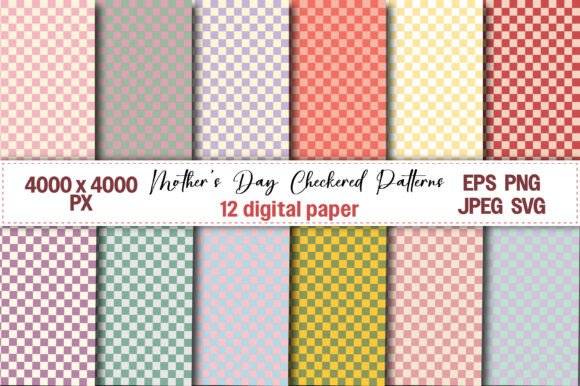
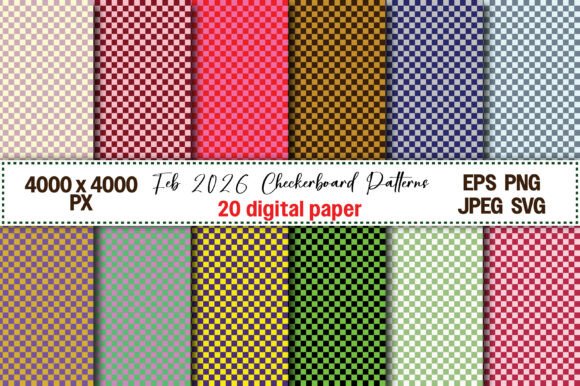
The first thing that strikes you about the Feb 2026 Checkerboard Patterns is the curated color storytelling. This is not just a random assortment of squares; it is a thematic collection designed for a specific moment in time. The inclusion of Valentine’s reds, Mardi Gras purples, and icy winter hues creates a versatile mood that bridges the gap between romantic warmth and festive energy. For a designer, this means the Patterns are ready-made for seasonal marketing campaigns without requiring extensive color manipulation.
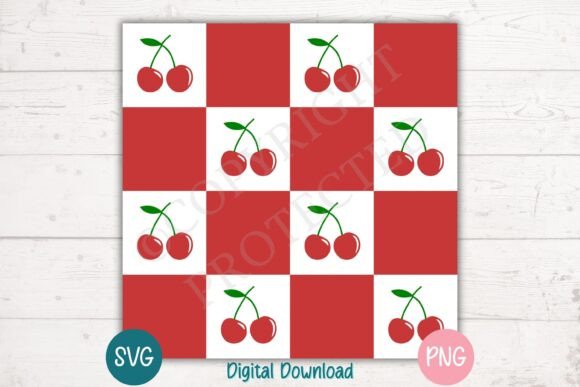
Visually, the checkerboard motif is timeless, but the execution here feels modern. The high-resolution specification of 4096 x 4096 pixels ensures that when you scale these design assets for large-format prints or detailed digital mockups, the edges remain crisp. However, as embroidery professionals, we know that pixel perfection does not always translate directly to stitch perfection. The geometric nature of a checkerboard demands precision. Any misalignment in the stitch density or registration can make the design look sloppy rather than stylish.
Real-World Application: From Screen to Stitch
To truly test the viability of these designs, I imagined a real-life scenario: preparing a custom order for a boutique client who wanted a line of spring-ready tote bags. The client requested something playful yet sophisticated. I selected one of the Mardi Gras purple sets from the Feb 2026 Checkerboard Patterns to visualize on a natural canvas tote bag design.
The geometric clarity of the checkerboard works exceptionally well for structured items. On a flat surface like a tote bag or a pillow cover, the repeating pattern creates a strong visual anchor. For custom apparel, such as a oversized sweatshirt, the design could serve as a bold chest print or an all-over sublimation base if converted correctly. However, for embroidery, I would recommend using this as a focal point rather than an all-over fill due to the potential stiffness caused by high stitch density.
If you are an Etsy seller focusing on personalized gift items, these patterns offer a fantastic backdrop for monograms. Imagine a baby blanket featuring the icy winter hue checkerboard, with a contrasting satin stitch name overlaid in the center. The regularity of the grid provides a perfect structure for centering text, ensuring your finished product looks professional and balanced.
Technical Considerations for Embroiderers
While the visual appeal is high, there are technical challenges to consider when converting these Graphics into a functional machine embroidery design. Checkerboards are notorious for causing fabric puckering if not handled correctly. Here is what you need to watch out for:
- Fabric Texture and Stability: Thin or stretchy fabrics, such as jersey knits used in t-shirts, may distort under the weight of a dense checkerboard. Always use a cut-away stabilizer for garments that will be washed frequently. For woven fabrics like cotton twill or canvas, a tear-away stabilizer might suffice, but testing is crucial.
- Hoop Size and Placement: Ensure your hoop size accommodates the full pattern repeat if you are aiming for a seamless look. If the design is too large for your hoop, you will need to plan for multi-hooping, which requires precise alignment to avoid visible seams in the checkerboard grid.
- Stitch Type Selection: A pure fill stitch can look blocky and heavy. Consider using a combination of satin stitch borders for the squares and a lighter fill or even a running stitch texture within the squares to reduce bulk. This approach maintains the visual integrity of the applique design aesthetic while keeping the garment wearable.
- Thread Colors: The success of a checkerboard relies entirely on contrast. When selecting thread colors from the Valentine’s red or Mardi Gras purple sets, ensure there is enough value difference between the alternating squares. Test your design in black and white on your computer screen first; if the squares blend together in grayscale, they will lack definition when stitched.
Commercial Viability and Brand Consistency
For small shop owners and creative entrepreneurs, the Feb 2026 Checkerboard Patterns offer a strategic advantage. Seasonal designs drive urgency and relevance. By incorporating these trending color sets into your commercial embroidery lineup, you signal to customers that your brand is current and attentive to design trends. This builds trust and encourages repeat purchases.
However, consistency is key. If you are selling digital embroidery file packages, ensure that you provide clear instructions on recommended fabric types and stabilizers. Your customers range from hobbyists to professional decorators, and providing this guidance reduces the likelihood of failed projects and negative reviews. A well-supported product enhances your reputation as a reliable source for quality design assets.
Where to Use Caution
Not every project is suitable for this type of geometric pattern. Avoid using dense checkerboard designs on curved surfaces like caps unless you have advanced digitizing skills to account for the distortion. The rigid lines of the checkerboard will warp noticeably on a curved brim or crown, potentially ruining the aesthetic. Similarly, be cautious with very small hoop sizes. If the squares become too tiny, the stitching may merge, losing the distinct checkerboard effect and resulting in a muddy appearance.
Additionally, consider the end-use of the item. For products that require frequent washing, such as kitchen towels or baby clothes, ensure that the thread choice is durable and colorfast. The high contrast of the Feb 2026 Checkerboard Patterns means that any bleeding or fading will be immediately noticeable.
Final Verdict and Practical Tips
The Feb 2026 Checkerboard Patterns are a strong addition to any designer’s library, provided they are used with technical awareness. They are ideal for creating standout holiday embroidery pieces, chic sweatshirt embroidery, and unique embroidered patch designs. To get the best results:
- Always test the design on scrap fabric identical to your final material.
- Check the license terms carefully. Confirm whether the digital embroidery file allows for commercial use if you plan to sell finished items.
- Experiment with different thread colors to see how the Valentine’s and Mardi Gras palettes interact with various fabric backgrounds.
- Use proper stabilizers to prevent puckering, especially on lighter fabrics.
In conclusion, these Patterns offer a blend of trend-forward aesthetics and classic geometric appeal. With careful attention to stitch density and fabric selection, they can significantly enhance the visual value of your handmade products. Whether you are creating a personalized gift for a loved one or stocking your online store with fresh inventory, the Feb 2026 Checkerboard Patterns provide a solid foundation for creative and commercially viable embroidery projects.