Floral Pattern Lesar-Cut Nail Art Stencil Graphics for Crafts
A Brand Designer’s First Impression: Delicate, Botanical, and Surprisingly Versatile
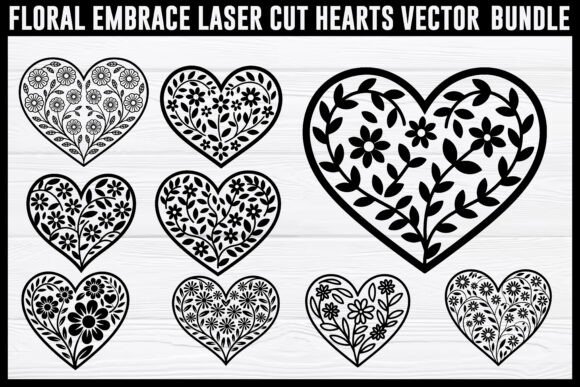
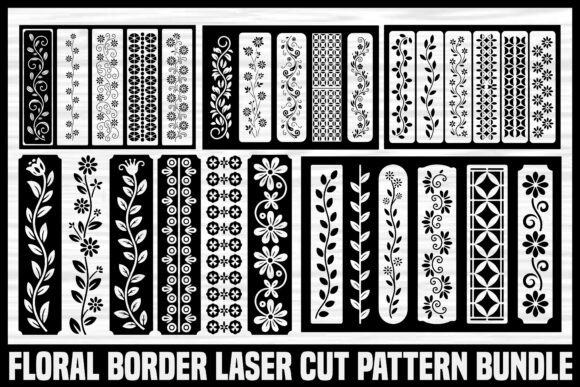
Opening the Floral Pattern Lesar-Cut Nail Art Stencil bundle, I immediately noticed its quiet confidence—not loud or trendy, but thoughtfully composed. The botanical motifs lean toward soft elegance: looping vines, petite blossoms, and subtle geometric framing that suggests hand-drawn precision without sacrificing scalability. It reads as organic yet intentional—ideal for a local business that values craftsmanship over mass production. Think of a handmade soap brand in Portland sourcing lavender from nearby farms, or a seasonal candle studio in Asheville launching a spring collection. This isn’t “cute” clipart; it’s a refined graphic design asset with breathing room, texture implied through line weight, and natural rhythm across all six patterns.
Where It Fits Best in Real Local Business Branding
In my recent work for a family-run bakery in Austin, we tested one motif as a border on kraft paper loaf bags—it added warmth without overwhelming the minimalist logo. That’s the sweet spot: product labels, packaging accents, and hero graphics where the pattern supports rather than dominates. It works beautifully on:
- Hang tags for artisanal jewelry or ceramic mugs—paired with a serif font for contrast
- Thank-you cards and branded stickers for subscription boxes
- Menu graphics and chalkboard-style social media posts for cafés and florists
- Seasonal campaign visuals, especially spring/summer launches for skincare, tea blends, or children’s product brands
- Printable inserts inside gift boxes—like a floral-lined recipe card tucked into a jam jar
How It Strengthens Small Business Presentation
For local businesses competing on shelf presence and digital scroll-stopping power, consistency is currency—and this bundle delivers it. Using the same floral motif across product mockups, Instagram Stories, and printed price lists creates an unmistakable visual thread. That repetition builds product recognition and signals intentionality. Customers subconsciously associate the delicate linework with care, which reinforces customer trust. In packaging design, it lifts otherwise plain materials—kraft, matte white, or recycled cardboard—giving them better shelf appeal and more professional packaging without premium print costs. And because the files include SVG, EPS, PNG, and JPG, you’re covered whether you’re designing in Illustrator, Canva, or even basic web builders.
Smart Usage Boundaries for Local Brand Owners
This isn’t a one-size-fits-all solution. As a brand designer, I advise caution in contexts where clarity trumps charm. Avoid placing it directly behind dense ingredient lists or legal disclaimers on food labels—it competes with essential information. Steer clear on very small labels (under 1.5 inches wide), where fine linework blurs or disappears in print. It also doesn’t suit luxury minimalist brands aiming for stark monochrome or high-contrast typography. And if your local business uses low-contrast backgrounds—think light grey text on off-white packaging—the transparent PNG may not hold enough definition. Always test first.
Practical Brand Designer Notes You Can’t Skip
Before locking in any use for small business branding, run these checks:
- Test it on real packaging mockups—not just screen previews. Print a sample on your actual label stock.
- Check black-and-white usage. Does the pattern retain legibility when converted to grayscale? Crucial for cost-effective printing.
- Preview it beside your brand fonts: try it with serif (e.g., Playfair Display), sans serif (e.g., Montserrat), script (e.g., Pacifico), and handwritten styles. Does it harmonize—or fight for attention?
- Verify transparency in the PNG files. A clean alpha channel means seamless layering over photos or textures.
- Inspect SVG editability. Can you easily adjust stroke weight or isolate petals for custom layouts? Essential for logo design adaptation.
- Confirm commercial licensing. Since this is a digital product from a creative marketplace, ensure the license covers physical product sales, client work, and social media distribution—no surprises later.
Why It Works for Handmade Businesses Beyond Nail Art
Though named for nail art stencils, this bundle transcends its origin. Its strength lies in adaptability—not trend-chasing. A boutique owner in Charleston used one motif as a watermark on tissue paper for gift-wrapping; a children’s book illustrator licensed it for a limited-edition sticker sheet sold at local indie bookshops. That flexibility makes it valuable for handmade business owners who need scalable, licensable design assets without commissioning custom illustration each season. It supports editorial design for newsletters, web design accents for online stores, and even marketing visuals for farmers’ market banners—all while maintaining visual hierarchy and professional branding.
Final Thought: A Thoughtful Tool, Not a Shortcut
The Floral Pattern Lesar-Cut Nail Art Stencil won’t replace thoughtful brand strategy—but it elevates execution. For local businesses building identity from the ground up, having access to well-crafted, commercially licensed Graphics in the Crafts category means more time spent connecting with customers, less time wrestling with generic clipart. Used intentionally—as accent, texture, or thematic anchor—it becomes part of your brand’s quiet language: recognizable, trustworthy, and unmistakably human.