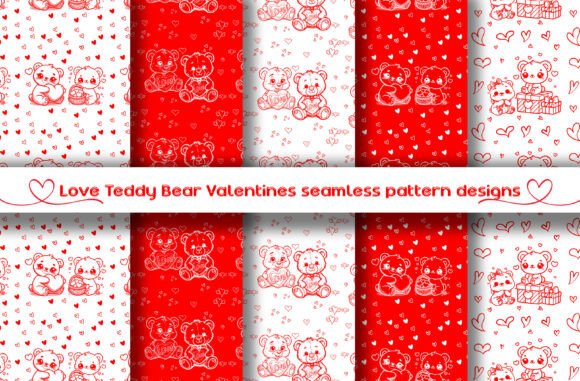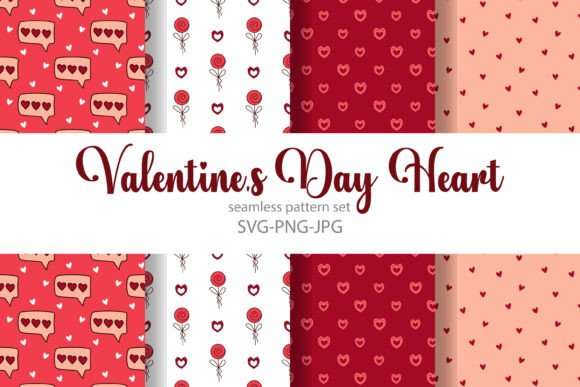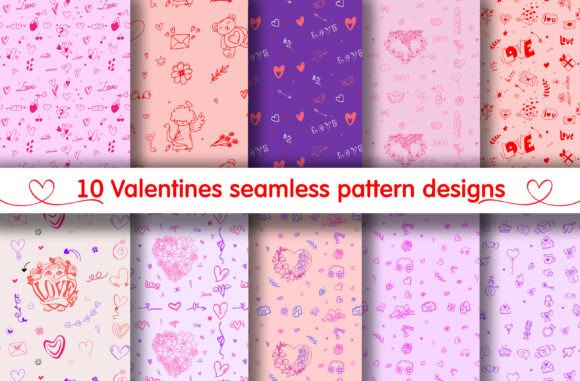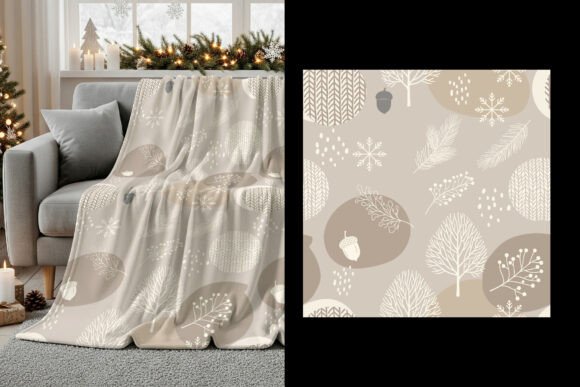
Cottagecore Valentine Pattern SVG PNG
First Impressions: Soft, Romantic, and Ready for Stitching
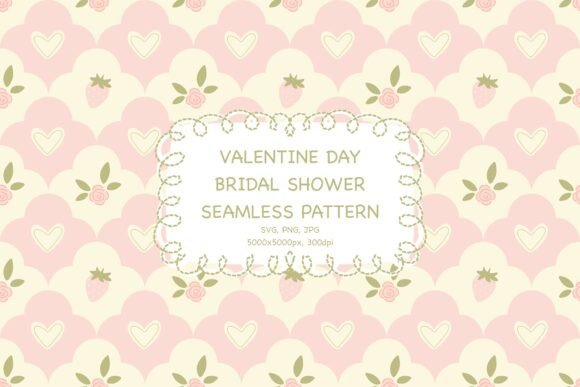
Opening the Cottagecore Valentine Pattern SVG PNG feels like stepping into a sun-dappled cottage garden—strawberries nestled beside blushing roses, hearts tucked like secret notes among trailing vines, all resting on that gentle pink-and-cream base. It’s not overly busy, but it’s rich with intention: every element breathes quiet romance without leaning into cliché. As an embroidery designer who’s stitched hundreds of seasonal patterns, I immediately recognized its balance—it’s detailed enough to feel handmade and special, yet open enough to translate cleanly into thread.
A Real Project in Mind: The Embroidered Linen Tea Towel
Last week, I prepped this design for a small-batch linen tea towel line—part of a spring gift set for a local boutique. I chose it because it lands exactly where cottagecore thrives: in tactile, functional objects meant to be touched, used, and loved daily. On 100% natural linen, the pattern’s soft palette translates beautifully—roses read as delicate satin stitch blooms, strawberries hold shape without overcrowding, and the hearts add just enough sweetness without tipping into saccharine. Customers didn’t just see “Valentine’s”—they saw warmth, care, and quiet craftsmanship.
Where This Pattern Shines (and Where It Asks for Thought)
The Cottagecore Valentine Pattern SVG PNG works exceptionally well for medium-to-large surface embroidery: tote bag corners, pillow covers, apron hems, baby onesie chest placements, and sweatshirt back panels. Its seamless repeat means you can scale it thoughtfully across fabric without awkward breaks—ideal for custom apparel or kitchen linens where continuity matters.
It also holds up strongly in digital previews. When I built printable mockups for my Etsy listing, the SVG rendered crisply at multiple sizes, and the PNG version held detail even in thumbnail views—critical for small shop product pages where first impressions drive clicks and trust.
But—and this is where experience kicks in—this isn’t a one-size-fits-all embroidery file. On thin fabrics like lightweight cotton voile or stretchy jersey, the fill-stitch density (especially in rose centers and strawberry highlights) needs careful review. Without proper cutaway stabilizer, those areas can pucker or distort. Likewise, curved surfaces—like the front of a structured cap—require strategic placement: avoid stitching dense floral clusters directly over seams or high-curve zones unless you’ve tested hoop rotation and fabric give.
Small Hoop? Think Strategically
If you’re planning a 4x4 hoop project—say, a mini embroidered patch or baby bib accent—zoom in before digitizing. The smallest hearts and rose buds may need slight simplification or repositioning to retain legibility. Running stitch outlines help, but fine details vanish fast when scaled down. Always test on scrap fabric first, especially if you’re using pastel thread on light linen or white thread on cream fabric—the contrast must sing, not whisper.
What It Adds to Your Finished Product
This isn’t just decoration. The Cottagecore Valentine Pattern SVG PNG elevates perceived value. Handmade products with cohesive, mood-driven design assets feel intentional—not assembled. Buyers notice that. A customer recently emailed me about her embroidered pillow cover: “It looks like something from a curated European homeware shop.” That’s the power of thoughtful pattern language. It builds brand consistency across your craft business, whether you’re selling on Etsy, at a holiday fair, or through your own website.
It also strengthens giftability. Unlike generic hearts or cartoonish motifs, this pattern invites pause. It feels personal without requiring customization—making it ideal for wedding favors, new baby gifts, or teacher appreciation bundles. And because it leans into timeless cottagecore rather than fleeting trends, it won’t feel dated by March.
Designer Notes You’ll Actually Use
- Always stitch a test run—not just on scrap fabric, but on the exact fabric + stabilizer combo you’ll use for production.
- Check thread color contrast on both light and dark backgrounds. Soft pink thread on cream fabric? Gorgeous. But try it in black-and-white mockups too—some subtle layers disappear without tonal variation.
- Review stitch density before scaling. Dense fill areas work beautifully on stable woven fabrics—but on terry cloth or textured knits, consider lightening fills or adding underlay.
- Confirm hoop size compatibility. Seamless patterns often assume standard 5x7 or larger hoops. If you’re working with compact machines, verify how much of the repeat fits comfortably within your max hoop dimensions.
- Inspect small details at actual stitch size: tiny stems, heart contours, and petal edges should remain distinct—not fused into blobs.
- Verify licensing before listing finished items or reselling digital embroidery files. Patterns and Graphics vary widely in commercial use terms—don’t assume.
Fabric & Finish Considerations
This pattern sings on natural fibers—linen, cotton canvas, medium-weight quilting cotton, and even brushed cotton twill. It reads less clearly on heavily napped fabrics (like thick fleece) or ultra-glossy synthetics where thread sheen fights the matte background. For baby embroidery or personalized gifts, stick with OEKO-TEX certified threads and low-lint stabilizers—safety and softness matter as much as aesthetics.
And remember: frequent washing changes everything. If you’re designing for kitchen towels or children’s wear, opt for tighter satin stitches on petals and reinforce heart outlines with a second pass. Avoid excessive underlay on delicate fabrics—it adds bulk where you want drape.
Final Thought: A Pattern That Earns Its Place
The Cottagecore Valentine Pattern SVG PNG doesn’t shout. It lingers. It’s the kind of design that makes customers pause mid-scroll, imagine it stitched onto their favorite apron, and click “add to cart” before they’ve even checked the price. That’s the mark of strong design judgment—not trend-chasing, but mood-building, usability-aware, and craft-respectful. Whether you’re an Etsy seller building a seasonal collection, a small shop owner curating boutique branding, or a hobbyist making heartfelt gifts, this pattern earns its spot in your embroidery project toolkit—not because it’s easy, but because it’s quietly, confidently right.